The impact of gambling addiction on mental health
Understanding Gambling Addiction
Gambling addiction is a compulsion that can lead individuals to bet money they cannot afford to lose, often spiraling into a cycle of debt and emotional turmoil. This addiction can manifest in various forms, affecting not only the gambler but also their loved ones. For many, what starts as a casual pastime can quickly escalate into a debilitating habit, disrupting every facet of life—from personal relationships to finances.
As individuals sink deeper into gambling, their ability to make rational decisions diminishes. Emotional distress, anxiety, and depressive symptoms often emerge, resulting in a chaotic environment. The pressures of gambling addiction are exacerbated by a culture that glamorizes gambling, encouraging even casual participants to gamble more heavily. Resources like neosurf casino can amplify this issue, making it more accessible and appealing.
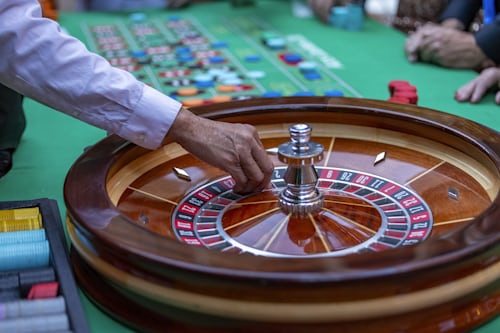
The evolution of gambling platforms, particularly with the rise of online casinos and mobile betting, has made gambling more ubiquitous than ever. This proliferation allows individuals to gamble at any hour, increasing both accessibility and temptation. Many people become trapped in cycles that are hard to break, believing they can regain control over their habits. The addiction can blur the line between entertainment and obsession, deepening the psychological ramifications.
The Mental Health Consequences
The relationship between gambling addiction and mental health is profound. Many individuals suffering from gambling addiction also experience co-occurring mental health issues, such as depression, anxiety, and substance abuse disorders. The gambling cycle can create a vicious loop; as financial stress mounts, mental health deteriorates, leading to increased gambling in a misguided attempt to recover losses.
A person may feel an initial adrenaline rush while gambling, which can mask underlying issues. However, this temporary high often evolves into feelings of guilt, shame, or helplessness, contributing to severe emotional disturbances. This compounded effect can lead to severe psychological disorders, making recovery challenging without targeted interventions. Over time, this emotional rollercoaster can result in chronic stress and can even impact physical health, manifesting in issues such as insomnia or gastrointestinal problems.
)
Effects on Relationships and Social Life
Gambling addiction significantly impacts interpersonal relationships. Often, affected individuals redirect their attention and resources away from family and friends, leading to feelings of betrayal and abandonment among loved ones. Trust erodes, and the resulting isolation can exacerbate feelings of despair.
Furthermore, social circles might begin to dissolve as gambling takes precedence over meaningful interactions. The social stigma surrounding addiction often results in withdrawal and further alienation, complicating the path to help and recovery. Understanding these dynamics is crucial for both the individual and those wanting to support them through their struggles. Open discussions within families can help build bridges and facilitate understanding, which is essential for healing. Consequently, a supportive environment fosters resilience and can encourage healthier coping mechanisms.
Path to Recovery
Recovery from gambling addiction is an intricate process requiring commitment and support. Various therapeutic options exist, ranging from cognitive-behavioral therapy (CBT) to support groups like Gamblers Anonymous. These approaches aim to help individuals confront their behavioral patterns, develop healthier coping strategies, and rebuild their lives.
Alongside therapy, community support plays a vital role. Loved ones must foster an environment of understanding and patience, aiding those afflicted in their journey toward recovery. Practicing open communication about the consequences of gambling can be a cornerstone in revitalizing relationships fractured by addiction, leading to a healthier, more fulfilling life. Recovery is often not a linear journey; it involves setbacks and victories alike, requiring ongoing effort and commitment.
Learn More About Support Resources
For those seeking guidance, understanding the myriad resources available for addressing gambling addiction is essential. Organizations focused on mental health and addiction treatment offer invaluable tools for both individuals suffering from gambling addiction and their families. Websites dedicated to providing information and support can empower individuals to take the first steps toward recovery.
It’s essential to recognize that healing is a personal journey that takes time. Seeking help can significantly improve mental health, enhance relationships, and restore a sense of control over one’s life. If you or someone you know is struggling with gambling addiction, don’t hesitate to reach out for assistance. Engaging with professional services can lighten the burden and provide a structured path toward recovery and emotional well-being.